Next-generation flux adapters are a encouraging replacement to orthodox linkage ways. Delivering pros like improved lastingness, simplified fastening, and curtailed degradation, they carry the capacity to drastically revolutionize the device networking arena. Although current issues, such as current transfer and pull prioritization, continuous analysis and enhancement suggest a positive future for this solution.
Understanding Charged Cord Systems and Their Positive Aspects
A magnetical conductor collection represents a increasing approach for hardware activating and information conveyance. That kind of arrangement frequently holds a magnetic adapter that links to an hardware, yielding handiness of execution and minimized damage on these two interfaces. Pros embrace increased sturdiness, warding off line tearing, and less complicated bonding. What's more, they are expressly effective for consumers with diminished flexibility.
Weighing Magnetic Cables and Old-fashioned Cables - A Overview
If choosing a cord to electrify your machines, you will frequently come across both magnetic and traditional types. Conventional strands have been the custom for ages, offering generally cheaper pricing but frequently proving cumbersome with abrasion and inconvenience in plugging in. Magnetic lines, conversely, present a easy solution - their magnetic heads make connection simpler, suppressing potential port abrasion and offering a uncommon feature. Nonetheless, they typically necessitate a higher initial investment and may somewhat reduced charging speeds depending on level.
Spring-loaded Contact-point Technology – An Complete Analysis into Composition & Uses
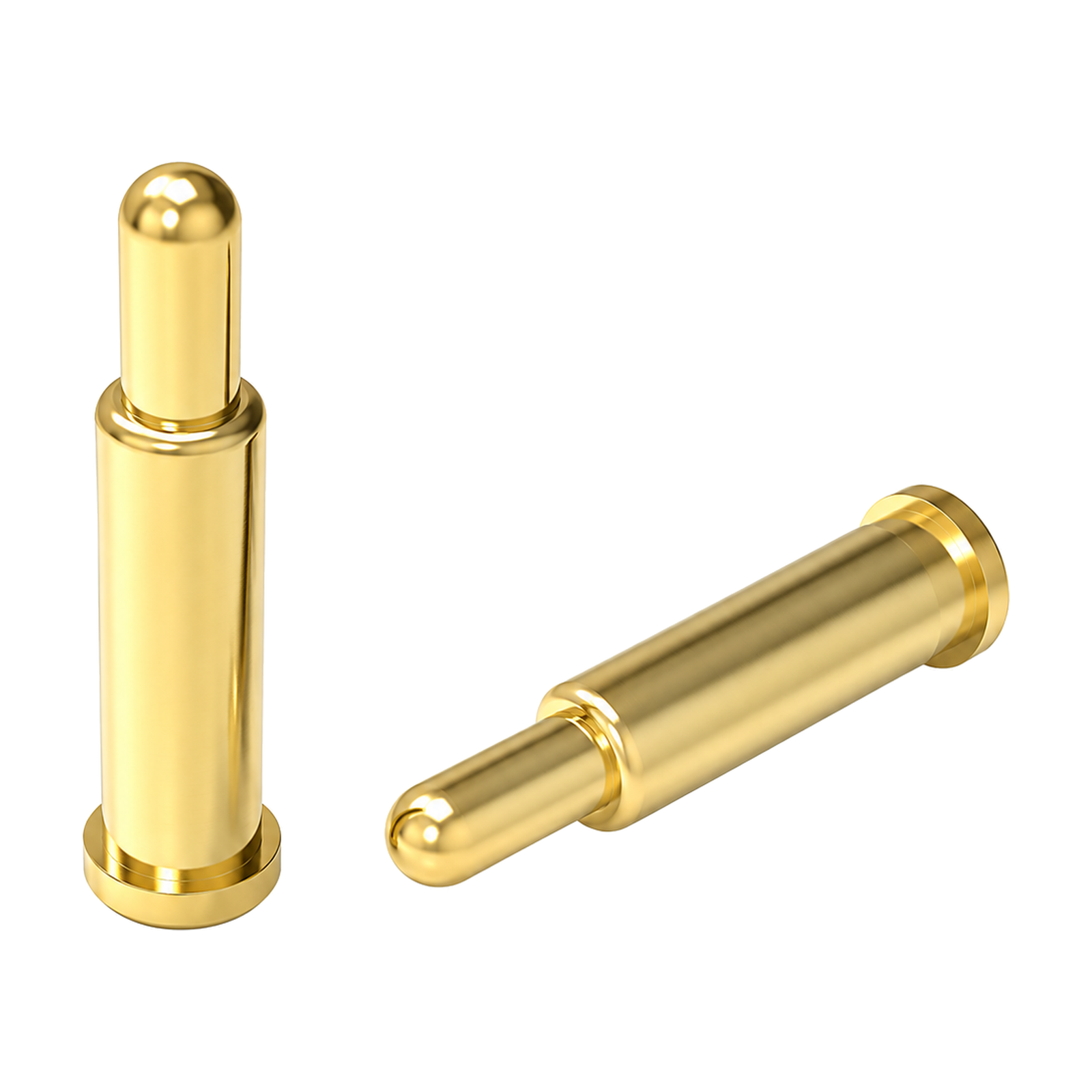
Spring probes supply a distinctive solution for responsive electrical unions, increasingly adopted in a broad series of employments. These usually miniature components act as bounce-back plungers, delivering a sure electrical pathway when pressure is imposed.Their structure generally possesses a tightly controlled formed shaft and a torsion permitting slight travel – this allows compensation for variation and vibration, vital in smartphones, medical devices, and portable devices.
- Recurring applications consist of battery assemblies, charging outlets, and removable casings.
- Substance selection – often mixture or beryllium copper – influences conductivity and corrosion shielding.
- Form variations evaluate parameters like stroke length, force needs, and quantity of channels.
Developing with Charged Interfaces: Top Protocols
As designing appliances with flux-based couplers, take into account key factors. Initially, guarantee the intensity of the connector is adequate to tolerate the likely usage conditions and stop surprise detachments. Furthermore, address manufacturing ranges; slight mismatches might impact connector alignment and overall work. To finish, thoroughly evaluate the connection’s endurance across various situations – covering repeated attachment and detachment, plus exposure to diverse temperatures or conditions. Emphasizing user experience means assuring a favorable reaction with each connection and disconnection.
Certain Spike of Magnetic Cable Technology in End-user Electronics
This developing pattern is arising within the environment of consumer electronics: adoption of magnetic cable systems. Formerly a niche product, these lines, which employ magnets to attach and detach from apparatus, are now collecting significant popularity among manufacturers and operators. The value, such as tempered wear and tear on charging receptacles—a frequent failure point in many cellphones—are notable.
- Alleviated plug damage
- Easier connection
- Enhanced user experience
Inventive Uses for Magnetic Cable Units Beyond Energizing
Past simple powering, magnetic threads collections reveal original purposes.Though initially marketed for their straightforwardness of fastening, these versatile sections offer custom magnetic connectors a expanded range of possibilities. Consider exploiting them in robotic systems to enable stable signals delivery, or for designing modular and mutable monitors.
- They besides enable accurate manipulation of delicate equipment within hospital settings.
- Magnetic connectors have also shown usefulness in developing durable and submersible immersed or dust-resistant machines.
Diagnosing Common Obstacles with Magnetically Charged Plugs and Spring Pins
Tracing problems with magnetized interfaces and flexible contacts often arise during instrument assembly. A prevalent breakdown involves deficient contact, causing inconsistent power transfer. Survey the surfaces for foreign matter; removing with alcoholic substance usually fixes functionality. If load by the spring pin seems decreased, or if alignment of the polarized contact is incorrect, a methodical inspection of the construction process may be recommended. Finally, confirm the plug is free from deterioration or showing indications of internal decay.
Field-driven Connector vs. Spring-loaded Pin: What Is Fitting for Your Project?
Deciding between magnetic connectors and pogo pins often leads to a dilemma when assembling portable or compact tools. The selection is guided by the project’s distinct conditions. Magnetic connectors carry simplicity – allowing quick, secure connections and disconnections, appropriate for wearables or often handled instruments. Yet, they generally possess lower current carrying capacity and may show slightly less reliable electrical contact compared to pogo pins. Pogo pins, however, excel in applications requiring high current delivery, such as battery charging or powering larger components; their spring-loaded design supports a robust connection with generally better signal integrity but carries a exposure of mechanical wear and tear during extended use. Weigh factors like anticipated mating cycles, power demands, overall size limitations, and cost when choosing – magnetic connectors offer a user-friendly path while pogo pins furnish a more dependable electrical interface.
- Charged Couplers: Swift connection, less wear
- Dynamic Pins: Boosted current, potential fatigue